


Acupressure and Auriculotherapy: Do They Really Work?
Acupressure and Auriculotherapy: Do They Really Work?
10 min
Published December 3, 2025
Do Acupressure and Auriculotherapy Actually Work? What They Are—And What Science Says
Acupressure and auriculotherapy are two alternative therapies that aim to relieve pain and improve general wellbeing.
In This Article
- What is Acupressure?
- What is Auriculotherapy?
- What is Acupuncture?
- Acupressure and Auriculotherapy as Complementary Therapies to Conventional Medicine
- Benefits of Acupressure and Auriculotherapy
- Are Acupressure an Auriculotherapy Safe?
- What to Expect After Treatment?
- What Are the Risks of Acupressure & Auriculotherapy?
- Summary
What is Acupressure?
Acupressure implies applying pressure to specific points in the body with fingers, hands or elbows. It is believed that these points are connected to the energy paths, known as meridians, which help balance the energy of the body and promote healing.
What is Auriculotherapy?
Auriculotherapy, on the other hand, focuses specifically on the ear. This practice identifies points in the ear that correspond to different parts of the body. By stimulating these points, practitioners hope to relieve pain and treat several ailments. Auriculotherapy, although less known, has gained recognition since the 1950s, when the French doctor Paul Nogier developed an integral map of the ear. This therapy has also been adopted by many health professionals, since it offers a non-invasive way of addressing various health problems.
What is Acupuncture?
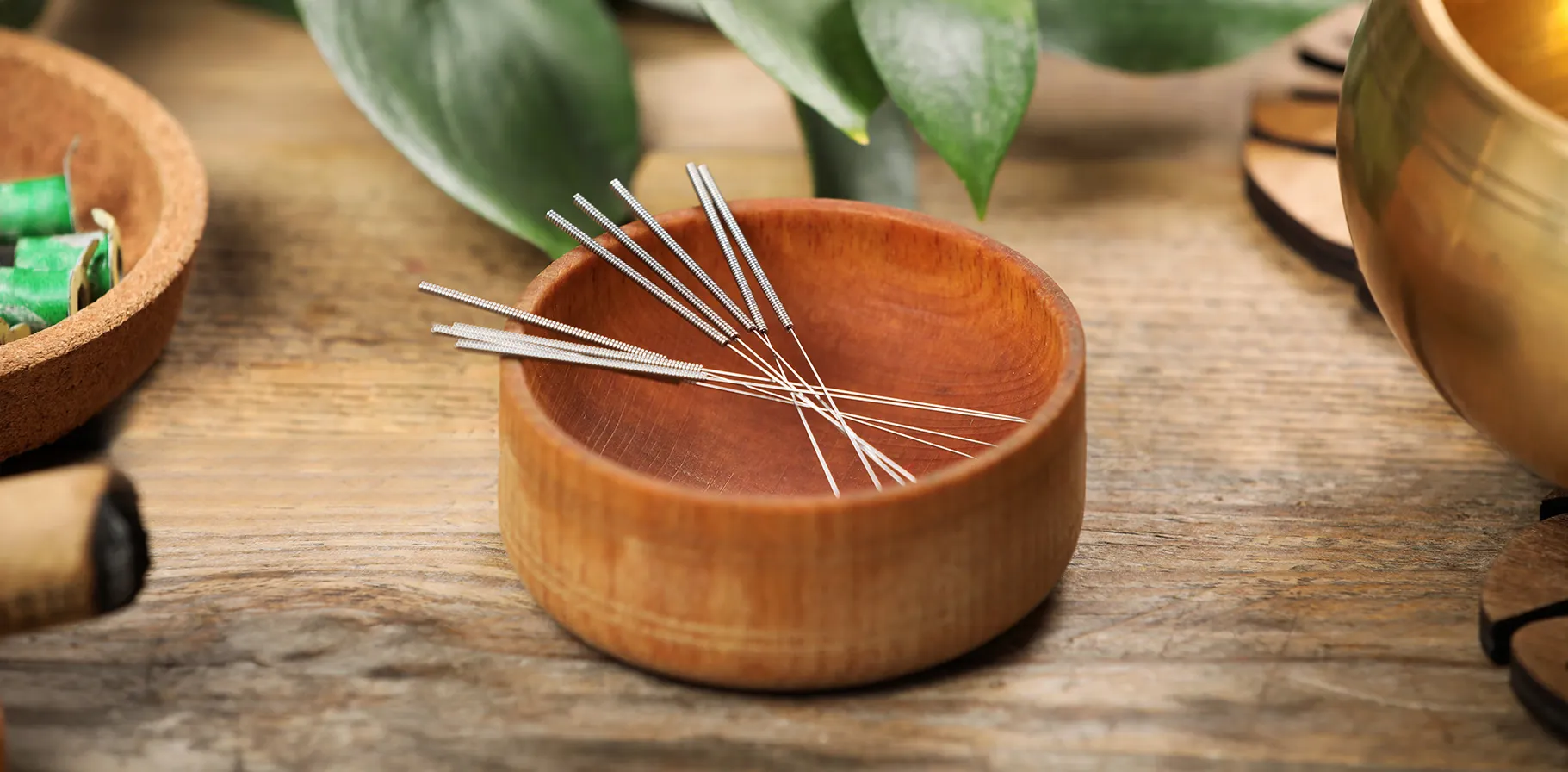
Acupuncture is closely related to acupressure, the difference being that acupuncture uses thin needles inserted to stimulate the same points pressure points in the body, to help relieve pain and promote healing. This method can be very effective, but it requires a trained practitioner to ensure safety and good technique.
Both practices have roots in Traditional Chinese Medicine (TCM), which dates back to thousands of years. Of course, acupressure is often considered a more accessible and softer approach, since it does not require needles.
Acupressure and Auriculotherapy as Complementary Therapies to Conventional Medicine
In recent years, there has been a growing interest in acupressure and auriculotherapy in the field of integrative medicine. Many people seek these therapies as complementary treatments together with conventional medicine. This popularity can be attributed to a greater approach to holistic health and well-being, where people look for natural ways to handle pain and improve their quality of life. In addition, with the growing emphasis on patient-centered care, more patients are exploring alternative therapies that offer a sense of empowerment and imply an active participation in their healing process.
When examining the benefits, techniques and applications of acupressure and auriculotherapy, we can better understand how they complement modern medical care. These methods can serve as valuable tools for those who seek pain relief and a holistic health approach.
Benefits of Acupressure and Auriculotherapy
Benefits of Acupressure and Auriculotherapy
Are Acupressure an Auriculotherapy Safe?
Important questions about efficacy, safety and daily practice arise and how acupressure and auriculotherapy differ from acupuncture to provide natural pain relief.
As mentioned, acupressure and auriculotherapy are two techniques that focus on applying pressure to specific points in the body and ear to relieve pain and promote health, without involving needles. Instead, professionals or individuals use their fingers, hands or elbows to apply pressure to designated points known as pressure points. These points are believed to connect with energy pathways in the body, known as meridians, which are believed to promote physical and emotional well-being. By pressing these points, the intention is to help balance body energy and reduce symptoms such as pain, stress and tension.
In auriculotherapy, the focus is the ear, which is thought to be a microsystem for the whole body. This approach depends on the understanding that different areas of the ear correspond to specific parts and organs of the body. Professionals identify these ear points and apply pressure, usually using a technique called "head seeds" - actual or synthetic seeds placed on the ear surface to stimulate these pressure points for a longer period. Many people find it easy to use ear points with self-impression or ear seeds. This method is especially attractive because the ear is a visible area, facilitating access and pressure application to individuals when necessary.
Liu et al. (2021) discuss how both techniques are non-invasive and low risk which makes them safe options for many people seeking relief¹.
What to Expect After Treatment?
In acupressure, professionals or individuals apply pressure using fingers, thumbs or elbows on specific body points. These points correspond to areas that can help relieve pain or reduce stress. Most people experience a little more than temporary discomfort or a sense of relaxation when these points are stimulated. Stimulation points on the ear in auriculotherapy, acts in the same safe way. This technique is often used together with other treatments and can improve their effects without the risks associated with more invasive procedures.

What Are the Risks of Acupressure & Auriculotherapy?
While the general safety of these techniques is well documented, some individuals should approach acupressure and auriculotherapy with caution. For example, certain individuals should consult a healthcare professional before undergoing treatment:
- People with certain medical conditions, such as serious osteoporosis
- Those who are pregnant.
In addition, bruises may occur if excessive pressure is applied, although this is rare and generally not serious. Understanding these potential contraindications is important to ensure safe practice.
Summary
In summary, acupressure and auriculotherapy differ not only from acupuncture in their techniques and their areas of application, but also in their accessibility for personal use. The ability to carry out these methods on oneself can make them attractive for those looking for natural pain relief in a practical and safe way. With their unique approaches, acupressure and auriculotherapy provide individuals with effective means of managing their health without the complexities associated with acupuncture.
By applying pressure on specific points in the body, acupressure can help reduce pain and promote relaxation. They have a long history of use in traditional Chinese medicine, and more recent research shows that they can be effective for various conditions, such as headaches, muscle tension and stress-related problems.
The incorporation of acupressure and auriculotherapy into more popular health practices can increase patient care. These techniques can serve as complementary methods along with conventional medical treatments, offering a broader health approach. As awareness grows, the integration of these natural methods into everyday practices will probably increase, paving the way for future developments and innovations in pain management and holistic health strategies. Exploring these possibilities can provide new hope for many seeking pain and stress in more natural ways.
Future research directions indicate increasing interest in both acupressure and auriculotherapy, especially in relation to stress management. As mentioned by Choi and Kim (2024), there is potential for these techniques to play a significant role in holistic health approaches. Stress can lead to various physical diseases, and stress management can effectively improve the overall quality of life. However, more studies are needed to explore the ways these practices can help relieve stress and their related symptoms.
References
¹ Liu, M., Tong, Y., Chai, L., Chen, S., Xue, Z., Chen, Y., & Li, X. (2021). Effects of auricular point acupressure on pain relief: a systematic review. Pain Management Nursing, 22(3), 268-280.
² Lee, T. K. W., Chang, J. R., Hao, D., Fu, S. N., & Wong, A. Y. L. (2025). The Effectiveness of Auricular Acupressure on Chronic Musculoskeletal Pain: A Systematic Review and Meta-Analysis of Randomized Controlled Trials. Journal of Integrative and Complementary Medicine, 31(1), 25-35.
³ You, E., Kim, D., Harris, R., & D'Alonzo, K. (2019). Effects of auricular acupressure on pain management: a systematic review. Pain Management Nursing, 20(1), 17-24.
⁴ Kumar, P., Rawat, A., & Pal, A. (2025). Empirical Insights Into Holistic Healing: Chronic Lower Back Pain Management Through Yoga And Auricular Acupressure. American Journal of Psychiatric Rehabilitation, 28(5), 161-169.
⁵ Choi, S., & Kim, B. (2024). Effect of Auriculotherapy on Stress: A Systematic Review and Meta-Analysis. Journal of Holistic Nursing, 08980101241257138.
